
The avant-garde isn’t in revolt or a crisis, it’s dead. The curious wonder, what about the art historians and insurgent bohemians who voiced serious concerns about its existence in the first place? It didn’t leave abruptly and decide to go in a different direction. The departure was a romantic slow burn break-up with no good-bye.
Camille Paglia claimed her hero Andy Warhol killed it with his Campbell’s soup cans in the book Glittering Images. Dozens of other publications and essays herald the demise. These weren’t next-door neighbors; non-conformist types who frequently explored different schools of philosophical thought, for instance: conceptual versus minimalism. Resistance movements tend to fester alienation. The rise of 20th-century post-modern strange art consisted of eclectic, outspoken artists who pursued the use of off-putting work in their creations.
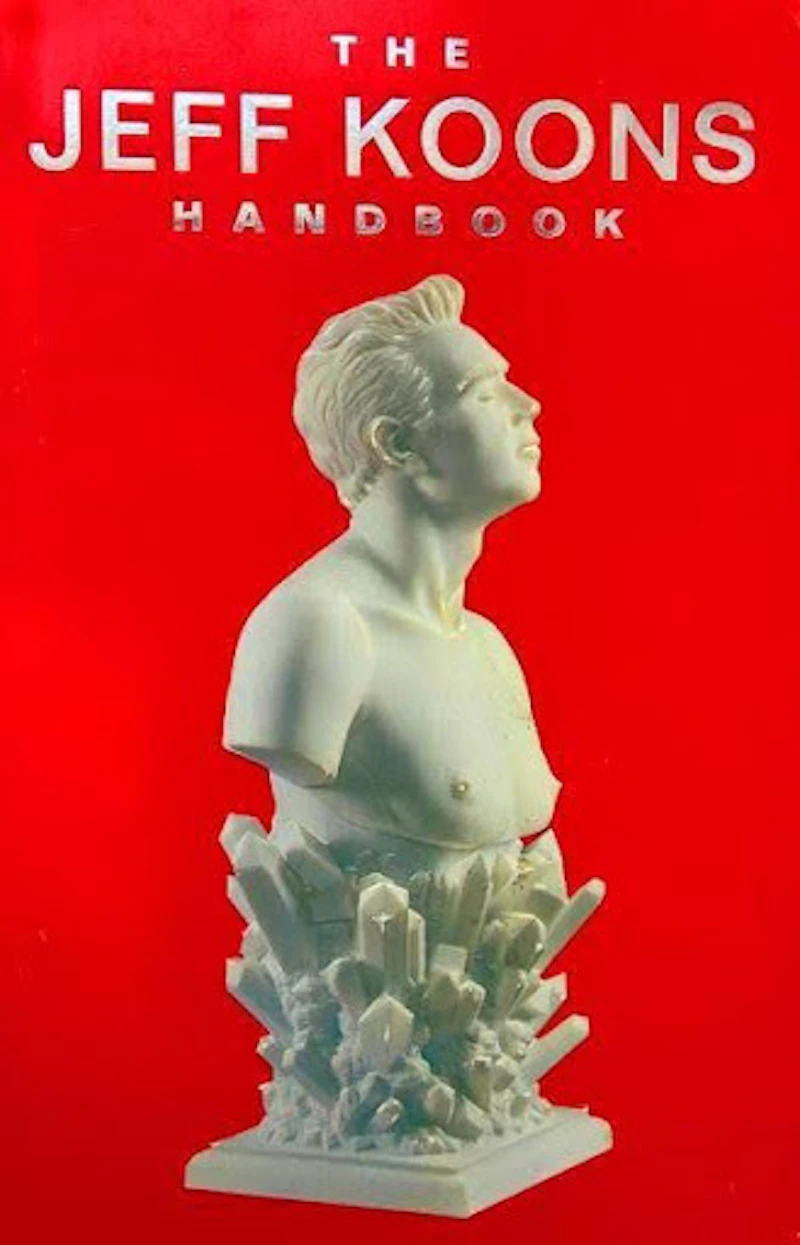
The sight of lines snaking around a New York block in 1991was arousing. These were crowds drawn to see Jeff Koons’ Made in Heaven exhibition when it was first displayed in Soho at Sonnabend Gallery. Inside the show, I noticed a tour guide struggling to explain the difference between art and pornography to a group of baffled New Jersey housewives. Koons’ handbook explains, “It’s about using sexuality as a tool to communicate.” Nudity and sex has long been an enamored subject in fine art challenging norms.
Going back to the 1960s, performance artist Carolee Schneemann (1939-2019) enlightened viewers with her erotic body transformations covered in paint, food and live snakes, “My work has no meaning beyond the logic of its systems.” Her performances were considered innovative.
A Broadway theater revue in 1969 by Kenneth Tynan featured several notable contributors writing rude sketches called Oh! Calcutta! The audience was confronted by an audacious collection of full-frontal naked bodies with endowed actors filling the stage. However, the show was considered burlesque, not avant-garde.
One main reason for the avant-garde’s disappearance was the birth of online web communities. Sly business practices made smartphones and home computers readily available. This provided a platform for everyone to share their thoughts, ideas, visuals and music. Just like that, with one simple touch of a keypad, a new form of communication exploded.
Digital information spread like an STD epidemic. The development spawned Napster, online casinos, dating apps and pornography websites. Another result was addiction to social media. A hybrid breed species of cyber-personas appeared: influencers. And now unfortunately, there’s a wave of malicious criminals and violent psychos adept at live-streaming hacking, pranking, and even death.
I found myself in art school listening to art critic Clement Greenberg speak at MICA in the late-1970s. Greenberg identified “kitsch or ersatz culture; a piece of popular, commercial art, or better yet, a product of the industrial revolution, devised to sell something.” He was influential for championing Abstract Expressionism artists, particularly Jackson Pollack. In 1980, another critic, Robert Hughes, tackled the avant-garde’s roots in a PBS series based on his book called The Shock of the New.
Art jargon is baffling; a collage of prose where words can lose their meaning. Have you ever tried listening to someone in the middle of a mental health crisis? Not a pleasant way of speaking; confused reality thoughts are riddled with incomprehensible musings filled with contradictions. In the unforgiving art world, some artists achieve success and receive deserved recognition with red-flag careers.
One late-spring day in 1988, I witnessed a few assistants on Great Jones St. carry a number of tall, blank color field canvases into Jean-Michel Basquiat’s studio. One of those canvases became a remarkable painting he made at 27, which would be his last; on August 12th, the prophetic "Riding with Death.” Twenty-nine years later in 2017, a Basquiat work from 1982 called Untitled sold at auction for $110.5 million.
It’s easy to forget how creation has basic concepts: an artist’s mind, hands and tools are used to create objects. One size doesn’t fit all. As you discover techniques, you learn what works for you.
Travel the footprints from the late-1940s, as the Beats being offbeat, enhanced themselves with drugs and conducted intercourse for good measure. By the 1950s, the bongo fury beatnik aesthetic matured, gaining acceptance and followers. Their culture melted into the 1960s psychedelic Millbrook legacy. This colorful social parade marched dizzily forward into an incredibly creative period, the 1970s. By the decade’s end, another takeover was generated by Punk Rock with its DIY philosophy.
The avant-garde’s narrative map charted a fairly widespread course. Considered boundary-pushing by its nature, there was the religious satire of the Church of the SubGenius. On the West Coast, rituals involved members of San Francisco’s activists and artist collectives included the “industrial performing arts” of Survival Research Labs and The Cacophony Society. Members of that particular Bay Area’s artist alliance formed an offshoot, the annual Burning Man event that moved to Black Rock Desert, Nevada in 1990. The one-time ad-hoc organization now operates as a multi-million dollar endeavor.
Hit pause for a second and reflect on another side of the argument; high-profile art spectacles run the risk of becoming backdrops, reflecting on marketing self-promotion activities that scream for recognition and power. Generations later, we see classic Joy Division t-shirts worn by those who’d never heard of the band.
Best known as the original designer for Joy Division’s first album cover Unknown Pleasures, Englishman Peter Saville straight talks. The multi-faceted thinker refers to lifting the famous black and white radio pulse waves imagery and juxtaposing repurposed art source material. Saville describes his work, “It’s less a process and more a filtration system. I’m not trying to generate ideas, I’m trying to recognize the right one when it appears. Most of the work is observation, editing, and restraint.”
The Price of Everything and Banksy’s film Exit Through the Gift Shop raises profound questions about art world culture. The public enjoys spending at the check-counter. Profit-driven merchandise turns into various interpretations reflecting consumerist revivals. Fashionable desirable objects of today like the latest sneakers and brand name handbags replaced yesterday’s must-haves. Collectables from the past are rare discoveries, that is, if you’re fortunate enough to find them or a successful buyer at an auction.
Pop culture often exhibits a lack of forward-thinking. History shows where things have been, not where we’re going, not forgetting or remembering the past. Enter a blank canvas. Many artists bring their projects to life in isolation.
Facing unprecedented challenges, a young artist today shouts, “Mayday, Mayday!” It’s tricky. As technology decides the future, there’s a danger in predicting trends, accompanied by the fear of navigating the difficult digital landscape. The art scene continues, even as the ability to shock lost its edge. I’m not seeing a lot of innovative work exhibited on gallery walls these days. Maybe I’m missing something.